

Horror and action collide once again in Resident Evil Requiem. Does it work this time?
The answer is thankfully yes, although it's not as clear-cut as it may seem. The latest RE switches between that trademark survival horror tension and bombastic, over-the-top action. Emphasis on "switches", because there is no blend or mix here. It's a hard, clearly telegraphed switch every time. The game pulls you from quietly sneaking around as newcomer Grace Ashcroft to confidently dispatching enemies with your hatchet as seasoned agent Leon S. Kennedy and vice versa. Switching between these two playable characters throughout the game is Requiem's central concept, shaping everything from gameplay to pacing and story. Let's determine whether this case of split personality works to Requiem's benefit or detriment.
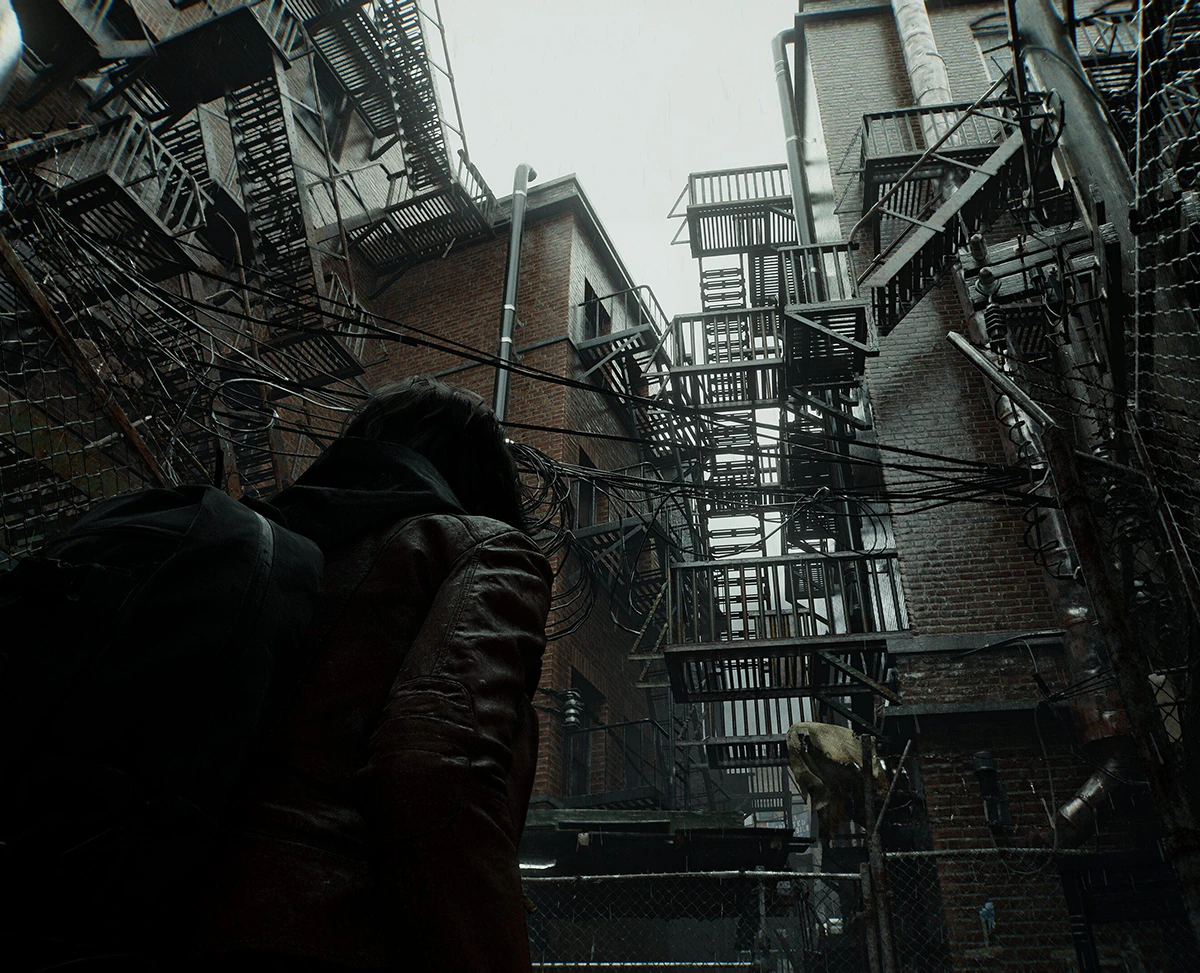
I'll only dissect the gameplay here. For one, that's where the dual nature of this installment is felt the most. For another, you can find better story summaries elsewhere. Before you embark on this bloody adventure, you'll be presented with a choice of difficulty. For a first playthrough, you can choose between Casual, Standard Modern and Standard Classic. The first option is self-explanatory: a difficulty made for those who want to soak in the story bits and not worry too much about survival. Standard Modern is what you've come to expect from a modern RE title: unlimited saving at typewriters with some automatic checkpoints sprinkled here and there. Classic is where Requiem brings back the old-school "saving is a resource" system that uses ink ribbons scattered around the map. It's worth noting that ink ribbons are only used in Grace's sections. Beating the game unlocks one more option: Insanity. The enemies are much tougher here, item locations are shuffled around and ink ribbons are nonnegotiable part of the deal.
Requiem is good at giving you options. You can play both protagonists from a first-person or a third-person perspective. Not only that, but you can switch between these on the fly and set them independently for each character, which is impressive and must have been a ton of work. Capcom recommends first-person view for Grace and third-person for Leon.
Without getting much into the story, Requiem kicks off with FBI analyst Grace Ashcroft. She is sent to a burnt-down hotel where the game teaches you the basics, like movement, interacting with objects and inventory management. Grace's gameplay is slow, methodical, quiet and dark. Dark in the literal sense. It's basically RE2 remake or RE7, depending on your choice of camera perspective. Here you'll also encounter some certified RE classics like inspecting an item up close to uncover another item inside or looking for a key to unlock a door and progress.
We're then introduced to fan-favorite agent Leon Kennedy with support from Sherry Birkin over the comms. This section acts as a short combat tutorial. Leon's movement is noticeably faster than Grace's. Land a headshot on an enemy and there's a chance they'll get stunned, which is your cue to follow up with a melee attack. Leon's gameplay is overall very similar to that of the RE4 remake, but with small improvements.
The knife has been replaced with a slick hatchet that won't break but does lose its edge. You can use it to parry incoming attacks or just slash away at enemies that are too close for firearms. You'll have to slow down and sharpen it from time to time, otherwise you won't be able to use it. It's a logical upgrade over the RE4 remake knife, which broke quite often and couldn't be repaired on the spot. Another nice addition is Leon's ability to throw melee weapons dropped by enemies. It's a small mechanic, but it makes the action gameplay feel more varied and dynamic.
The inventory system is also worth mentioning. Leon rocks the attaché case inventory from RE4, which arranges your items on a grid. Grace has to get by with the classic limited inventory slots that will send you back to the item box more than a few times. Each type of inventory perfectly supports its character's gameplay: Grace's limited capacity forces you to make interesting decisions, while Leon's grid-based system lets you check and rearrange your resources quickly.

We return to Grace, who immediately runs into this game's stalker enemy – the Girl. She's a tall, ugly creature that likes to crawl above the ceiling. She is very sensitive to sound but is not blind per se. Her weakness is bright light, and Requiem makes clever use of that weakness to lure you into a few encounters with her. After getting the Requiem revolver from Leon, it's time to enter the main survival horror portion of the game.
Exploring Rhodes Hill Chronic Care Center as Grace is a delight. It's the most praised part of the whole experience, and deservedly so. It's clearly inspired by the Spencer mansion from the first game. Unlocking the only way out requires solving a puzzle involving three unique cube parts. You guessed it! They're hidden somewhere around the center. There isn't much of an arsenal waiting for our FBI agent, though. You're gonna have to get by with a trusty little handgun and Leon's revolver, which has exactly one bullet in it.
To tip the balance in Grace's favor a bit, Capcom brought in a new mechanic: behold the blood collector! It's an elegant system that ties resource management to crafting and permanent upgrades. After you pick this bad boy up, the game lets you fill it with infected blood. You can either drain blood from puddles on the floor or extract it directly from fallen enemies. You then use this collected blood to craft a plethora of items, including the hemolytic injector. This particular consumable is going to be your best friend during the care center stay. Inject an enemy with it and they'll explode into a cloud of blood and guts, which is very satisfying. It lets you eliminate enemies blocking key routes with a single use. Sounds quite easy, right? Well, there are rules to this, of course. You can't inject enemies that are aware of you, so there's a stealth component here. There's also quite a strict limit on how much blood you can carry in your blood collector.
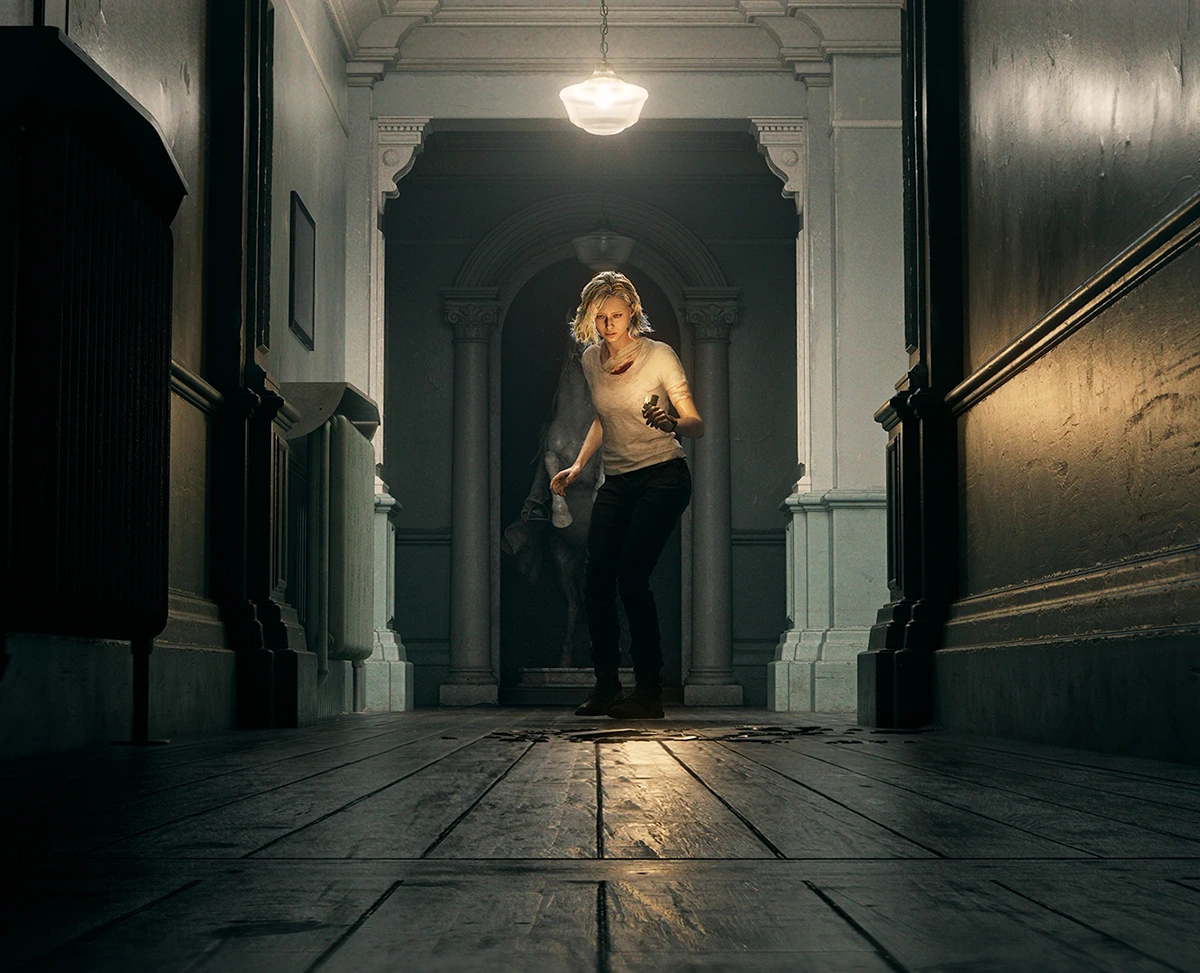
And it's not just good for stealth one-shots, either. You can make corpses blow up too. Why would you want to do that, you ask? Some of you may remember the lighter and kerosene mechanic from the first RE, where you dispose of dead bodies by burning them. The hemolytic injector works the same way... except for the fire. But that still doesn't answer the question for the uninitiated. After some time, there's a chance a dead zombie will come back to "life" as a Blister Head. These guys are much faster and more aggressive than your average zombie. They're also noticeably more difficult to put down, so there's a big incentive to destroy their bodies before they turn.
The blood collector also lets you craft permanent upgrades to your health and damage in the form of steroids and stabilizers, respectively. That's where the Parlor comes into play too. You'll find Antique Coins throughout the game that you can spend there on inventory upgrades, the aforementioned steroids and stabilizers, and an upgrade to your blood collector's capacity. Pretty useful stuff, if you ask me.
Zombies themselves are more interesting this time around as well. You'll run into a maid zombie violently scrubbing the restroom or a huge chef guy chopping god knows what in the kitchen. Each zombie in the center is unique, and sometimes you have to change your tactics to get around them or kill them. There's also a special infected enemy roaming the hallways, but I won't spoil everything. Unfortunately, Requiem doesn't carry this new approach to zombies into the later parts of the game. After Rhodes Hill, the game won't reach these heights again and Grace's gameplay doesn't really change much for the rest of the journey. It's time to pick apart Leon's side of the gameplay.
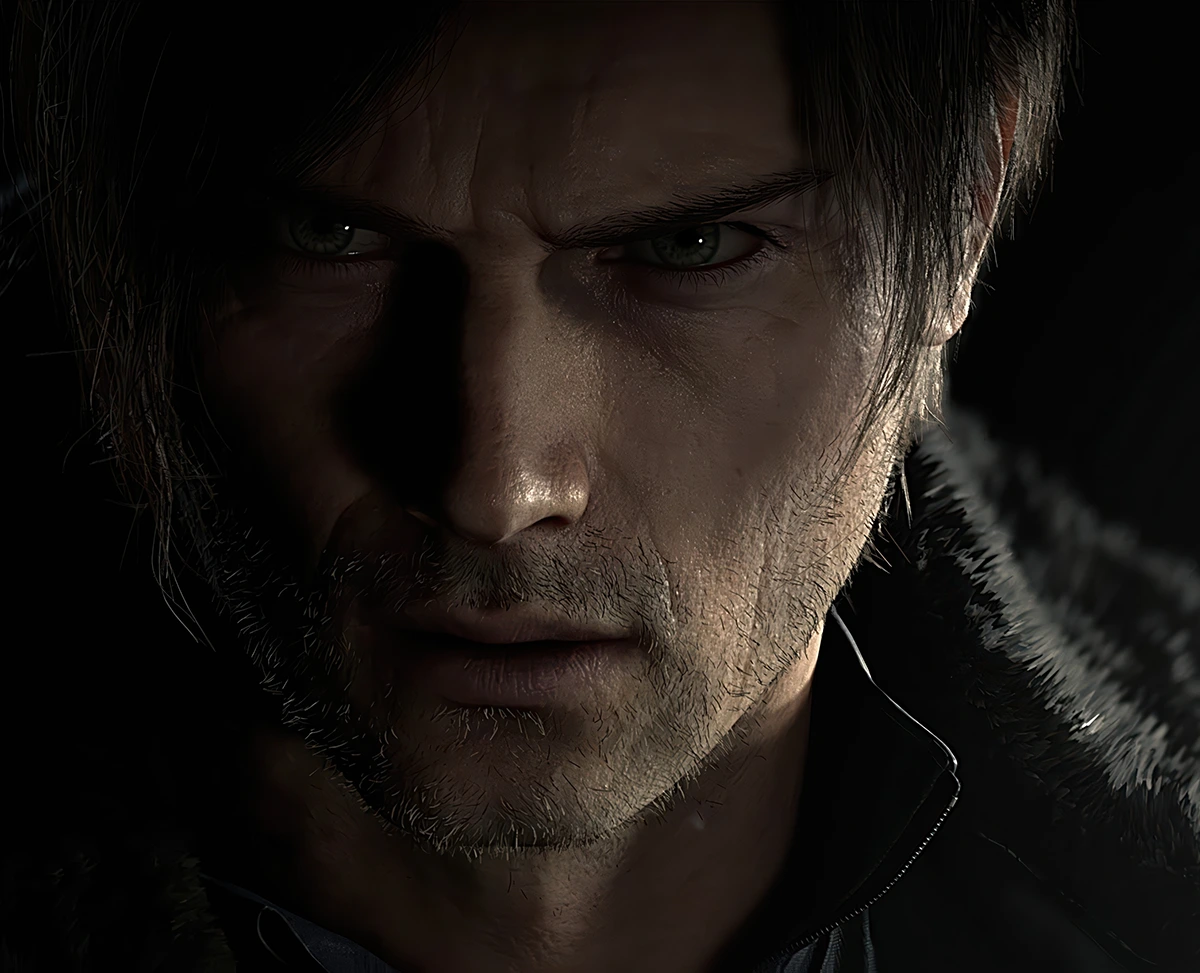
After Grace successfully takes down the Girl, the balance between the two gameplay styles shifts dramatically, and it's Leon town, baby! Our protagonists get separated again and we head to Raccoon City. Here you'll explore the city ruins and unlock weapon upgrades – think RE4's merchant. Instead of money, you earn combat points and spend them on higher damage, steadier aim or better range for each weapon individually. Requiem also starts throwing boss fights at you as soon as you hit the city. And it's a nostalgia fest, let me tell you. By the end of the game, you'll feel like RE9 is constantly nudging you in the ribs and saying, "You remember this, right?"
Before entering the city center, there are a few objectives you need to work through. Miraculously, it's all pretty fun. Traversing the windows of a fallen skyscraper is a great time. The high-rise combat section is a great time. The zombie mortar part is a great time. Not long after that, Leon gets a sort of on-rails turret section involving motorcycles and the main villain. It's a little RE6-coded, with that same over-the-top, high-speed ridiculousness throughout. Of course, it ends with a smart-ass one-liner, and off to the city center we go.
At this point, you're forced to play a short section as a child. It's by far the worst part of the game and mainly serves the story, so I won't even go into it. A few more nudges in the ribs and boss fights later, it's time to fight some human enemies. These encounters were a little frustrating at first because you're left to figure out how to approach them on your own. Leon doesn't really stand a chance against a whole squad wielding assault rifles. Stealth and smoke grenades help ease the pain of dealing with hitscan weapons.
The final boss fight is exactly what you'd expect from an RE game. A big monster with big eyeball things that you have to shoot. Not saying that's bad, but it's getting a little stale.
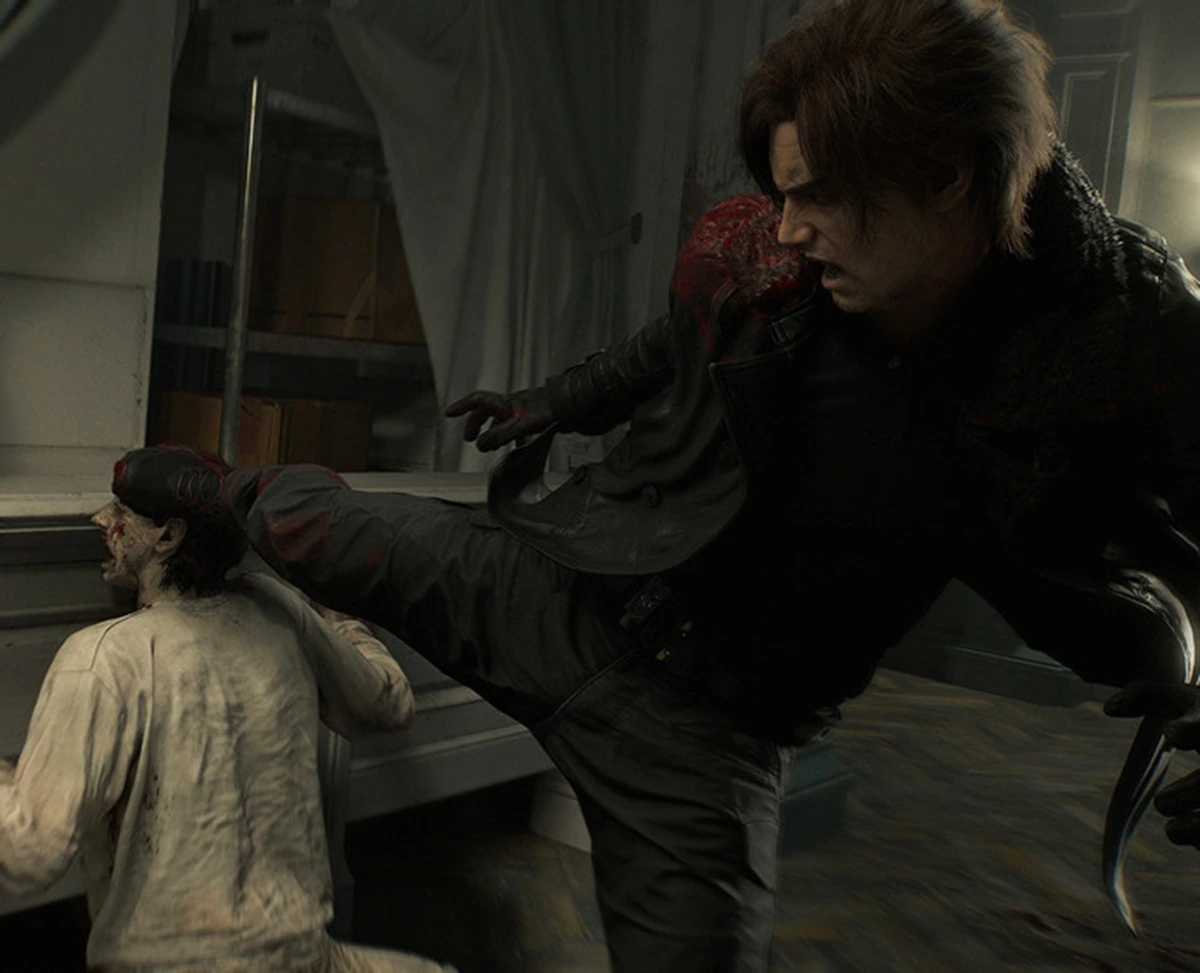
Requiem is a wonderful game. It's a 2-in-1 deal, and it handles both styles very well. It's clear that Capcom's still got it when it comes to survival horror and keeping the player tense. When it comes to action, there was never any doubt. What Capcom needs to work on now is how it all fits together. You know, there's always a feeling that something's missing when the game switches protagonists. Like there could be more to it, some way for the two scenarios to blend together. It's not really about identity, because Requiem has that in spades, despite being basically two games stitched together. I feel like it's more a matter of flow. But hey, I get it. Development cycles aren't infinite, and RE as a franchise has to appeal to as wide an audience as possible. So the approach Capcom took is ultimately a smart decision.
I'll only dissect the gameplay here. For one, that's where the dual nature of this installment is felt the most. For another, you can find better story summaries elsewhere. Before you embark on this bloody adventure, you'll be presented with a choice of difficulty. For a first playthrough, you can choose between Casual, Standard Modern and Standard Classic. The first option is self-explanatory: a difficulty made for those who want to soak in the story bits and not worry too much about survival. Standard Modern is what you've come to expect from a modern RE title: unlimited saving at typewriters with some automatic checkpoints sprinkled here and there. Classic is where Requiem brings back the old-school "saving is a resource" system that uses ink ribbons scattered around the map. It's worth noting that ink ribbons are only used in Grace's sections. Beating the game unlocks one more option: Insanity. The enemies are much tougher here, item locations are shuffled around and ink ribbons are nonnegotiable part of the deal.
Requiem is good at giving you options. You can play both protagonists from a first-person or a third-person perspective. Not only that, but you can switch between these on the fly and set them independently for each character, which is impressive and must have been a ton of work. Capcom recommends first-person view for Grace and third-person for Leon.
Without getting much into the story, Requiem kicks off with FBI analyst Grace Ashcroft. She is sent to a burnt-down hotel where the game teaches you the basics, like movement, interacting with objects and inventory management. Grace's gameplay is slow, methodical, quiet and dark. Dark in the literal sense. It's basically RE2 remake or RE7, depending on your choice of camera perspective. Here you'll also encounter some certified RE classics like inspecting an item up close to uncover another item inside or looking for a key to unlock a door and progress.
We're then introduced to fan-favorite agent Leon Kennedy with support from Sherry Birkin over the comms. This section acts as a short combat tutorial. Leon's movement is noticeably faster than Grace's. Land a headshot on an enemy and there's a chance they'll get stunned, which is your cue to follow up with a melee attack. Leon's gameplay is overall very similar to that of the RE4 remake, but with small improvements.
The knife has been replaced with a slick hatchet that won't break but does lose its edge. You can use it to parry incoming attacks or just slash away at enemies that are too close for firearms. You'll have to slow down and sharpen it from time to time, otherwise you won't be able to use it. It's a logical upgrade over the RE4 remake knife, which broke quite often and couldn't be repaired on the spot. Another nice addition is Leon's ability to throw melee weapons dropped by enemies. It's a small mechanic, but it makes the action gameplay feel more varied and dynamic.
The inventory system is also worth mentioning. Leon rocks the attaché case inventory from RE4, which arranges your items on a grid. Grace has to get by with the classic limited inventory slots that will send you back to the item box more than a few times. Each type of inventory perfectly supports its character's gameplay: Grace's limited capacity forces you to make interesting decisions, while Leon's grid-based system lets you check and rearrange your resources quickly.
We return to Grace, who immediately runs into this game's stalker enemy – the Girl. She's a tall, ugly creature that likes to crawl above the ceiling. She is very sensitive to sound but is not blind per se. Her weakness is bright light, and Requiem makes clever use of that weakness to lure you into a few encounters with her. After getting the Requiem revolver from Leon, it's time to enter the main survival horror portion of the game.
Exploring Rhodes Hill Chronic Care Center as Grace is a delight. It's the most praised part of the whole experience, and deservedly so. It's clearly inspired by the Spencer mansion from the first game. Unlocking the only way out requires solving a puzzle involving three unique cube parts. You guessed it! They're hidden somewhere around the center. There isn't much of an arsenal waiting for our FBI agent, though. You're gonna have to get by with a trusty little handgun and Leon's revolver, which has exactly one bullet in it.
To tip the balance in Grace's favor a bit, Capcom brought in a new mechanic: behold the blood collector! It's an elegant system that ties resource management to crafting and permanent upgrades. After you pick this bad boy up, the game lets you fill it with infected blood. You can either drain blood from puddles on the floor or extract it directly from fallen enemies. You then use this collected blood to craft a plethora of items, including the hemolytic injector. This particular consumable is going to be your best friend during the care center stay. Inject an enemy with it and they'll explode into a cloud of blood and guts, which is very satisfying. It lets you eliminate enemies blocking key routes with a single use. Sounds quite easy, right? Well, there are rules to this, of course. You can't inject enemies that are aware of you, so there's a stealth component here. There's also quite a strict limit on how much blood you can carry in your blood collector.
And it's not just good for stealth one-shots, either. You can make corpses blow up too. Why would you want to do that, you ask? Some of you may remember the lighter and kerosene mechanic from the first RE, where you dispose of dead bodies by burning them. The hemolytic injector works the same way... except for the fire. But that still doesn't answer the question for the uninitiated. After some time, there's a chance a dead zombie will come back to "life" as a Blister Head. These guys are much faster and more aggressive than your average zombie. They're also noticeably more difficult to put down, so there's a big incentive to destroy their bodies before they turn.
The blood collector also lets you craft permanent upgrades to your health and damage in the form of steroids and stabilizers, respectively. That's where the Parlor comes into play too. You'll find Antique Coins throughout the game that you can spend there on inventory upgrades, the aforementioned steroids and stabilizers, and an upgrade to your blood collector's capacity. Pretty useful stuff, if you ask me.
Zombies themselves are more interesting this time around as well. You'll run into a maid zombie violently scrubbing the restroom or a huge chef guy chopping god knows what in the kitchen. Each zombie in the center is unique, and sometimes you have to change your tactics to get around them or kill them. There's also a special infected enemy roaming the hallways, but I won't spoil everything. Unfortunately, Requiem doesn't carry this new approach to zombies into the later parts of the game. After Rhodes Hill, the game won't reach these heights again and Grace's gameplay doesn't really change much for the rest of the journey. It's time to pick apart Leon's side of the gameplay.
After Grace successfully takes down the Girl, the balance between the two gameplay styles shifts dramatically, and it's Leon town, baby! Our protagonists get separated again and we head to Raccoon City. Here you'll explore the city ruins and unlock weapon upgrades – think RE4's merchant. Instead of money, you earn and collect combat points and spend them on higher damage, steadier aim or better range for each weapon individually. Requiem also starts throwing boss fights at you as soon as you hit the city. And it's a nostalgia fest, let me tell you. By the end of the game, you'll feel like RE9 is constantly nudging you in the ribs and saying, "You remember this, right?"
Before entering the city center, there are a few objectives you need to work through. Miraculously, it's all pretty fun. Traversing the windows of a fallen skyscraper is a great time. The high-rise combat section is a great time. The zombie mortar part is a great time. Not long after that, Leon gets a sort of on-rails turret section involving motorcycles and the main villain. It's a little RE6-coded, with that same over-the-top, high-speed ridiculousness throughout. Of course, it ends with a smart-ass one-liner, and off to the city center we go.
At this point, you're forced to play a short section as a child. It's by far the worst part of the game and mainly serves the story, so I won't even go into it. A few more nudges in the ribs and boss fights later, it's time to fight some human enemies. These encounters were a little frustrating at first because you're left to figure out how to approach them on your own. Leon doesn't really stand a chance against a whole squad wielding assault rifles. Stealth and smoke grenades help ease the pain of dealing with hitscan weapons.
The final boss fight is exactly what you'd expect from an RE game. A big monster with big eyeball things that you have to shoot. Not saying it's terrible, but it's getting a little stale.
Requiem is overall a wonderful game. It's a 2-in-1 deal, and it handles both styles well. It's clear that Capcom's still got it when it comes to survival horror and keeping the player tense. When it comes to action, there was never any doubt. What Capcom needs to work on now is how it all fits together. You know, there's always a feeling that something's missing when the game switches protagonists. Like there could be more to it, some way for the two scenarios to blend together. Requiem has charm in spades, despite being basically two games stitched together. I feel like it's more a matter of flow. But hey, I get it. Development cycles aren't infinite, and RE as a franchise has to appeal to as wide an audience as possible. So the approach Capcom took is ultimately a smart decision.